
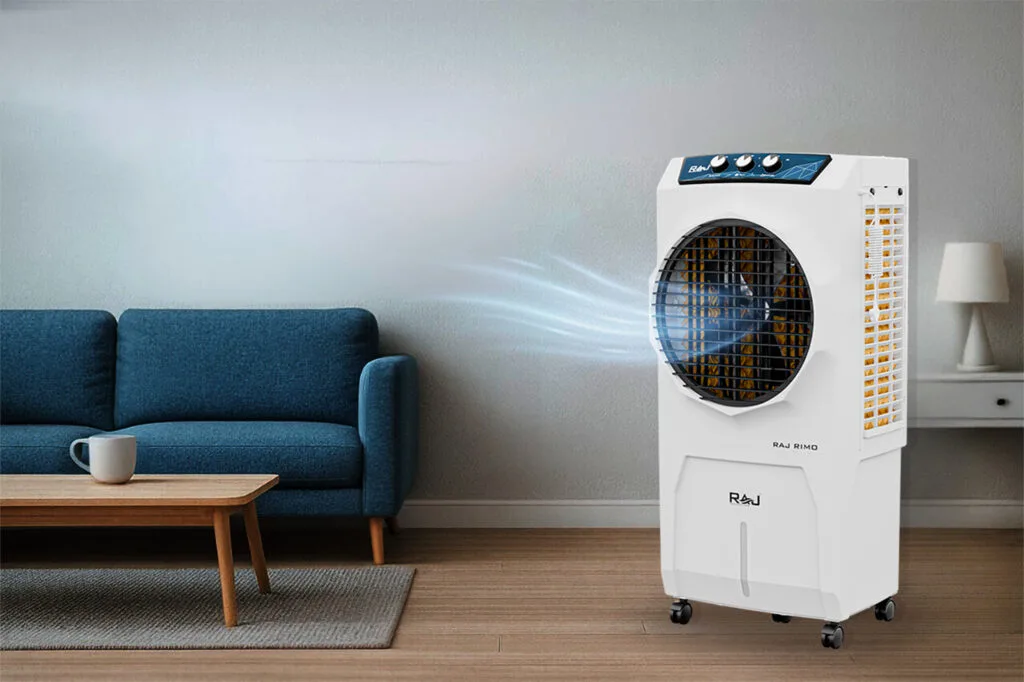
Choosing the right portable air cooler can make your home feel fresh, comfortable, and cool—without the heavy electricity bill of an air conditioner. Just like picking the perfect foundation shade, finding the right cooler is all about understanding what works best for your room, your environment, and your needs.
Here’s a step-by-step guide to help you choose the ideal portable air cooler for your home.
1. Know Your Room Size
Just like makeup shades differ for skin tones, coolers differ for room sizes.
Measuring your space is the first step to choosing the right model.
✔ Small rooms (bedroom/office):
Choose a personal or small-room cooler.
✔ Medium rooms (living room):
Select a medium airflow room cooler with a slightly bigger tank.
✔ Large rooms or open spaces:
Go for a high-airflow “desert” cooler designed for strong cooling.
💡 Tip:
Bigger rooms need higher airflow (CFM). If the cooler’s airflow is too low, you won’t feel the cooling effect.
2. Understand Your Climate
Just like undertones affect foundation shades, climate affects the performance of air coolers.
✔ Dry & hot climate → Perfect for coolers
Evaporative coolers work BEST in dry areas because they cool air by adding moisture.
✔ Humid climate → Cooling may be less effective
If you live near coastal areas with high humidity, choose a cooler with strong airflow and proper ventilation.
💡 Pro Tip:
Always leave a window or door slightly open for better cooling—it allows warm air to escape.
3. Compare Key Features
Think of this step like comparing formulas in makeup—each gives a different finish!
a) Airflow (CFM / m³ per hour)
This tells you how much cool air the machine can blow.
Higher airflow = better cooling.
b) Water Tank Capacity
Bigger tanks mean longer cooling without refilling.
Small rooms: 5–10L
Medium rooms: 20–30L
Large rooms: 40L+
c) Cooling Pads
Most coolers use Honeycomb pads for better cooling and durability.
d) Energy Consumption (Wattage)
Portable air coolers use far less power than ACs.
For lower electricity bills, choose models between 100–200W for bedrooms and 200–300W for larger rooms.
4. Choose the Right Cooler Type
Just like foundations come in liquid, cream, and powder—air coolers come in different types too!
🌬 Personal Coolers
Best for small spaces or placing near your bed or desk.
🌬 Room Coolers
Perfect for bedrooms or medium-sized living rooms.
🌬 Desert Coolers
High-power cooling for large rooms or open areas.
💡 Pro Tip:
If airflow distance is mentioned, look for long-throw air if you want cooling across a big room.
5. Look for Convenience Features
These features make everyday use easier—just like having a pump in your foundation bottle!
✔ Remote control
✔ Caster wheels for easy movement
✔ Timer / sleep mode
✔ Low-noise operation
✔ Ice chamber for extra cooling
✔ Water level indicator
✔ Inverter-friendly design
6. Think About Maintenance
For long-lasting cooling:
✔ Clean the cooling pads regularly
✔ Change the pads annually (if needed)
✔ Drain and clean the water tank to avoid odors
✔ Check for dust filters for better air quality
Just like cleaning makeup brushes keeps your look flawless, maintaining your cooler keeps your home cool and fresh.
7. Consider Your Budget
Portable coolers come in different price ranges.
Before buying, decide:
- How big your room is
- How much airflow you need
- Whether extra features (like remote or ice chamber) matter to you
Spending a little extra for better airflow can improve cooling dramatically.
8. Final Check Before Buying
Like swatching foundation before choosing your shade, do a final check!